

Gardening Advice
A garden isn’t just a collection of plants - it’s a living, breathing ecosystem. Whether you have acres of land, a balcony, or even just one hanging basket or pot, you can design a space that benefits local wildlife while remaining beautiful all year-round. This page is a great place to start, but you're also welcome to contact me for tailored (and free) advice.
Essentials for a Wildlife Garden
If you want to support nature in even the smallest of spaces, aim to include at least these three elements:
-
A water source – A pond, birdbath, or even a shallow dish of water creates a vital habitat for frogs, insects, and birds.
-
Wildflowers – Native wildflowers provide food for pollinators while adding bursts of colour to your space.
-
A tree or shrub – Trees and shrubs offer shelter, nesting sites, and food for birds, insects, and small mammals.


Creating Natural Habitats
Beyond the basics, adding more habitats can turn a garden into a sanctuary:
-
Log piles & leaf litter – Rotting wood and fallen leaves create homes for insects, hedgehogs, and fungi while enriching your soil.
-
Insect hideaways – Bee hotels, drilled wood, or simple gaps in garden walls provide crucial nesting spaces for solitary bees and other beneficial insects, who often help greatly with overall biodiversity..
-
Rock gardens & dry patches – These mimic natural landscapes, creating safe spaces for sun-loving creatures like butterflies, some birds, and even reptiles and mammals..
-
Dense planting & hedges – A thick hedge or layered planting gives birds and mammals shelter while creating a softer, natural feel for your garden.
Seasonal Beauty
A truly great garden isn’t just beautiful in spring or summer; it evolves through every season and has natural year-round interest. Choose plants that bloom at different times, ensuring your space stays lively even in winter. Evergreens, some berries, and seed heads often provide food for wildlife and structure for shelter in the colder months.
Always consider when your plants will bloom - aim to have at least one plant looking its best every month of the year if you can!
Remember too that the best gardens aren’t just functional; they create an experience! Whether it’s a tranquil sanctuary or an immersive adventure, design with movement and purpose:
-
A garden that feels like a journey – Create winding paths or clustered planting that makes visitors feel like they’re exploring a hidden paradise.
-
A garden that tells a story – In a family-friendly space, an open layout with well-placed pots and painted or decorated walls/fences can reflect the warmth of shared moments.
-
A wild escape – Depending on your style, consider letting native plants spill over, creating a lush, untamed feel that brings nature closer.
-
Harvestable haven - Combining function and experience, you can create raised beds or areas to grow your own food, creating an intriguing space both useful for you and fun for guests.

Keep in mind...
A good garden doesn’t need to be perfect - it just needs to invite life. Whether you’re adding a few pots of wildflowers or designing a rich, layered habitat, every effort helps make the world a little wilder and a little more beautiful.
Garden Theme Inspiration
Dedication. Passion. Vision.
Choosing a garden theme can help create a space that feels intentional, inviting, and uniquely yours. Whether you want a whimsical fairy-tale setting or a sleek modern retreat, there’s a theme to match every personality.
Remember, your garden is for you, so you don't need to stick to one style - add some quirky elements, carry on the inside of your house to outside, mix and match elements, but overall, have fun with it!

Cottage Core
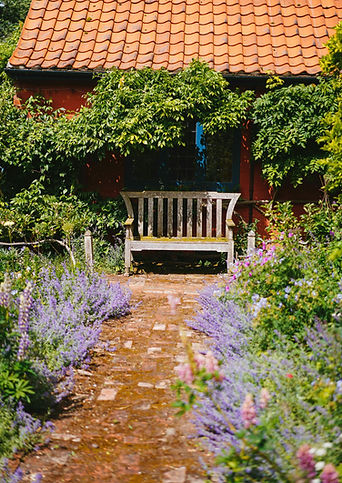
Overflowing with wildflowers, climbing roses, and cozy pathways, this theme embraces an old-fashioned countryside charm with soft colors and vintage accents.

Farm Core
Think vegetable patches, fruit trees, and practical, hardworking beauty.
Rustic wooden features, simple raised beds, and a focus on growing food make this a rewarding style.

Magical
Twisting ivy, tiny lanterns, mossy pathways, and hidden corners create an enchanting, fairy-tale atmosphere. Consider miniature fairy houses tucked among the greenery!

Steampunk
Mixing Victorian elegance with industrial elements, this theme could incorporate metal fixtures, gears, aged wood, and dramatic plant choices like twisted vines and deep-colored blooms.

Forest Clearing
Lush, layered greenery, towering trees, dense shrubs, and a slightly untamed feel. This theme mimics the beauty of a woodland, perfect for those who love a natural, serene escape.

Seaside Escape
Inspired by coastal landscapes, this theme incorporates hardy plants like grasses and succulents, driftwood, shells, and sandy-colored stones to create a breezy, beachy vibe.

Minimalist
Sleek lines, geometric planting, structured hedges, and smooth pathways. This style focuses on clean, modern designs and often pairs greenery with metal or concrete elements for contrast.
Colour Block
Whether it’s an all-white moonlit garden, vibrant reds and oranges for an energizing space, or soothing blues and purples, colour coordination creates an intentional and striking effect
Remember...
Designing with Purpose is the way to go! Keep in mind your needs when you work to get your dream garden; Are you on a budget? Do you need something low maintenance? Do you need a lot of space or storage? Do you have pets or children and need to consider non-toxic plants? All of these things can affect the way a garden is designed and used, after all, it needs to be functional as well as pretty!
Whatever theme, plants, or decoration you choose, think about how your garden feels as you walk through it. Does it tell a story? Does it take you on a journey? A twisting jungle trail might suit an adventurous personality, while an open, elegant patio could be perfect for family gatherings and entertaining guests.
A garden should be more than a collection of plants—it should be a space that reflects you while welcoming nature.
Whether you go for rustic charm, urban minimalism, or fantasy whimsy, let your creativity bloom!
Garden Dont's - What to Avoid
Creating a beautiful, wildlife-friendly garden isn’t just about what you add—it’s also about what you avoid. Here are a few things that can harm your garden’s health, sustainability, and overall appeal...

Plastic Grass!
Artificial turf might seem convenient, but it blocks natural drainage, overheats in the sun, and offers zero benefits to wildlife. Worse, it sheds microplastics into the ground, contributing to pollution and attracts pests and mould to hide out underneath. Instead, opt for real grass, native ground cover plants, or decorative gravel and stone pathways.

Barren Landscaping!
Too much paving, concrete, or decking can block natural water absorption and reduce greenery. Instead, balance hard landscaping with soft elements -living walls, potted plants, flower beds, or vertical gardens, to keep nature a part of your space. Consider using softer colours too, by keeping natural stone or brick or painting and decorating with warm colours and furnishings.

Flimsy furniture!
Cheap, flimsy furniture may save money upfront, but it often cracks, rusts, or fades quickly, creating a dangerous hazard and unnecessary waste. Instead, choose sturdy, weather-resistant materials like treated wood, metal, or recycled plastic that can last for years with minimal maintenance.

Use of Chemicals!
Harsh chemical pesticides can kill beneficial insects and disrupt natural food chains. If you need to manage pests, opt for organic methods like companion planting, introducing helpful insects (like ladybirds for aphid control), or using natural deterrents instead.
Dragonfli (no affiliation) has a great selection of biological pest control. Beee thoughtful!

Cluttered space!
An untidy garden filled with litter and neglected items can attract pests, pose safety hazards, and harm wildlife. Plastic waste, broken objects, and abandoned furniture can trap or injure animals. Clear out unnecessary junk, upcycle where possible, and keep your space clean while maintaining cosy, natural habitats.

Spend a fortune!
Sure, you can opt to spend thousands on a pro team to get everything done in a week, or, you could buy from people like me who sell plants at reasonable prices, and browse marketplaces and ebay for affordable decorations & seating! A DIY option can lead to a very rewarding journey and save some cash. If you're not physically able, consider some low maintenance pots.
A final few tips...

Watering Basics
-
Best time to water: Early morning or late evening is ideal, as it prevents evaporation and allows plants to absorb moisture before the heat of the day. Fun fact, most plants grow during the night, so I tend to prefer the evening waterings.
-
How often to water: Most established plants only need watering during dry spells. Overwatering can weaken roots, so check the soil first—if the top few inches are dry, it’s time to water. It’s always best to keep in mind the plant species as some are thirstier than others. Consider an irrigation system if you have a lot of thirsty plants or vegetables!
-
Rainwater over tap water: Using a rain barrel or collecting rainwater is generally better for plants and wildlife as it lacks chlorine and other additives, however, most hardy plants will easily tolerate being watered with a hose just fine.
-
During a drought: Established plants can usually tolerate a bit of abuse from any weather conditions, but if it's a severe drought or your plants are still young, water the soil as soon as it feels dry when poking in your finger tip or when it looks noticeably too dry.
-
Clean and fresh drinks: Remember to keep other wildlife water sources like bird baths clean and fresh, top them up whenever needed and wash when becoming visibly dirty - this helps prevent disease spread and aids in healthier wildlife.
-
Deep water ramps: Ensure water is accessible for all, ponds and pots that are deeper than a few inches should have an easily useable ramp to get out should anything fall in. Click here for a WWT pond guide

Pet safe gardening
-
Avoid toxic plants: Some common garden plants, like lilies, foxgloves, and yew, can be harmful to pets. Check plant listings for pet safety before purchasing, and remember what may be harmful to dogs may not be to rabbits or vice versa, so always double check on if it’s safe for your specific pet before introducing it to your garden.
-
Create safe digging spots: If your pet loves to dig, give them a designated area with loose soil or sand so they don’t uproot your plants, and check for rocks or bits of glass and other sharp things that could harm their paws and toes!
-
Secure compost & fertilizers: Some fertilizers, especially those with cocoa mulch, can be toxic to pets. Store compost and soil additives safely, or simply avoid toxic ingredients altogether.
-
Check for excrement and tidy: It’s always a good idea to keep a clean environment, and find it worth checking around every so often to make sure no litter has made its way into the garden, especially after heavy winds. Remember to always clean up animal waste as soon as possible – it won’t do your garden any good to leave it!
-
Choose pet-friendly pathways: Soft materials like bark chips or grass are gentler on paws than stone or gravel, or where that’s not possible, consider smoother paving or decking – it can make a comfy sun bathing spot in the summer!
-
Keep them safe: Ensure your fences or walls are tall and secure enough to be escape-proof, perhaps even consider a catio or cat-proof fencing for felines - this helps keep both them and our wildlife safer!

Know your soil type
-
Compost = Rich in nutrients; this is usually much darker in colour and is essentially just decomposed organic matter. You can often make this yourself with kitchen scraps.
-
Loam = A balanced soil type made of sand + silt + clay in the right proportions. Often crumbly but soft, & slightly moist to the touch. This is the best all-rounder and most plants will be quite happy in this soil type.
-
Clay = Heavy, dense, sticky when wet and almost concrete-like or crackly when dry. Great for nutrients but not so much for drainage. This is often lighter in colour and is usually almost grey or with a red-ish tinge. It's common where I am and around the North East of England, but is no good for plants that either aren't drought tolerant or don't like to be sitting in water.
-
Sand = Light, loose, and gritty. Great for drainage, but not so good for nutrients. Easy to dig, but it can dry out very quickly. It's common around the seaside, and can be great for acidic-loving (Ericaceous) plants.
-
Peat = Rich in organic matter, but differs from compost as this is almost always wet or boggy, it's rarely found in gardens.
-
Silt = Very smooth and almost soapy to the touch, it can become compacted easily and sometimes blown or washed away without good ground cover.
-
Chalk or Lime = A rarer soil type, this is usually only found in areas with limestone or chalk bedrock. It's calcium rich and highly alkaline, so it's no good for acidic-loving (Ericaceous) plants.

General tips
-
Mulch wisely: Mulch helps retain moisture and suppress weeds, but avoid cocoa mulch if you have pets as it’s toxic to dogs! Avoid peat too where possible, not very eco-friendly!
-
Encourage Wildlife: Planting lavender, marigolds, or mint can deter pests while attracting pollinators and helpful insects like ladybirds. It's also a good idea to consider bird, bat, or other feeders and homes, just remember to keep them clean and maintained.
-
Keep weeds manageable: Not all weeds are bad—some, like dandelions, are great for pollinators. Removing weeds selectively keeps balance without stripping away valuable food sources. You could also consider leaving weeds to flower and then removing them before they seed, to allow pollinators to feed but also to stop them spreading too much.
-
Rotate crops in vegetable gardens: Changing where you grow certain veggies each year prevents soil depletion and discourages pests and diseases. You can also move around potted plants and make sure they’re still draining well.
-
Prepare for a holiday: Going away for a while can leave your garden at the mercy of the elements - prepare for any weather by tying down bins and other loose objects, give your garden a good soaking with water, and maybe even install CCTV to ward off intruders or vandals.
-
Seeds: This can vary, but in general, any seeds you sow should be spread well enough to allow a bit of space around each one. The best time of year is usually spring (March-April) or autumn (Sept-Oct.)